About The Song
Ray Price included “The Last Letter” as a standout album track on his 1965 Columbia release *The Other Woman*. The LP arrived in September of that year and quickly climbed to number three on Billboard’s Top Country Albums chart, where it spent 38 weeks. Although not issued as a single, the song became a quiet favorite among fans drawn to Price’s deeper, more introspective material during a period when he had fully embraced the smoother Nashville Sound.
The composition dates back to 1937, when Texas-born singer and songwriter Rex Griffin wrote and first recorded it for Decca Records. Griffin drew directly from personal pain: his wife had recently left him for a more comfortable life, prompting him to craft what many historians consider one of the earliest major “hurtin’” songs in country music. Framed as a suicide note from an older man to his younger wife, the lyrics carry a rare level of raw despair for the era, marking a shift toward the emotional honesty that would later define honky-tonk and classic country storytelling.
By the time Price recorded his version on May 10, 1965, at Columbia’s Nashville studios, he had moved well beyond the driving shuffle beat that defined his 1950s hits. Producers Don Law and Frank Jones guided the session, surrounding Price’s rich baritone with subtle strings and the polished arrangements that characterized his mid-1960s work. The track took the form of a gentle waltz, allowing the singer’s voice to convey quiet resignation rather than dramatic anguish.
In the song the narrator addresses a woman who now treats him like a mere friend, her affection grown cold. He acknowledges he cannot provide diamonds or fine clothes, yet offers the one thing he has—genuine love. The verses build to a heartbreaking close: “If you don’t love me I wish you would leave me alone.” The title phrase carries double weight; listeners familiar with Griffin’s original understood the letter as his final farewell, written with the knowledge he would not be there to receive any reply.
The performance fits seamlessly into *The Other Woman*, an album filled with themes of infidelity, regret, and emotional isolation. Price, then in his late thirties, continued to draw on the authentic country traditions he had championed since the early days with his Cherokee Cowboys band. Including a decades-old standard like this one demonstrated his respect for the music’s roots even as production values became more refined and radio-friendly.
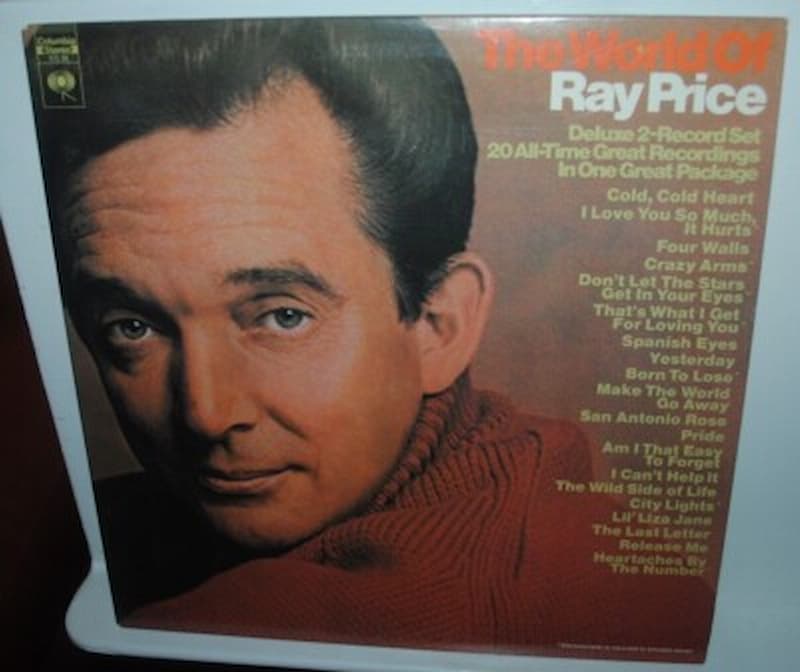
Over the years “The Last Letter” has appeared on several of Price’s compilations and reissues, including his comprehensive Bear Family box set covering the honky-tonk years. It stands as a subtle but powerful reminder of his interpretive gifts, transforming a song born from one man’s private heartbreak into a universal meditation on lost love and dignity in the face of rejection.
Decades after its release, the track remains a poignant example of how Ray Price could bring new emotional depth to classic country material. In an era when many artists chased crossover success, he never shied away from the darker, more personal corners of the genre that had first made him a star.
Video
Lyric
Why do you treat me as if I was only a friend?
What have I done that has made you so different and cold?
Sometimes I wonder if you’ll be contented again
Will you be happy when you are withered and old?
I cannot offer you diamonds or mansions so fine
I cannot offer you clothes that your young body craves
But if you say that you long to forever be mine
Think of the heartaches, the sorrow, the teardrops you’ll save
When you are weary and tired of another man’s gold
When you are lonely remember this letter my home
Don’t try to answer though I have suffered anguish untold
If you don’t love me I wish you would leave me alone