About The Song
“On Top of Old Smoky” is not a Hank Williams original and, in most widely cited music histories, it is treated as a traditional American folk song rather than a composition tied to a single commercial songwriter. The song is commonly linked to the Appalachian region and the Great Smoky Mountains area, and it circulated for years through oral tradition before it became a national pop and radio item. Because it exists in a “traditional” lane, you’ll often see variations in lyrics and melody depending on who recorded or taught it, which is typical for folk material that lived in communities before it lived on records.
The best-documented commercial breakthrough for the song came in the early 1950s, when it entered mainstream charts through popular recordings associated with the folk-pop revival era. That period matters because it shows how a local or regional song could be repackaged for national audiences once the recording industry and broadcast networks had the right appetite for “folk” as a marketable sound. In that sense, the song’s modern history is a story of transmission: traditional circulation first, then a mid-century commercialization wave that fixed one familiar version in public memory.
The narrative itself is simple and intentionally repeatable: a short romance tale that ends in separation, delivered in plain language that sounds like it could be spoken rather than “written.” That quality is one reason the song became so easy to teach to children and to include in school songbooks. It functions almost like a template—short verses, a strong refrain, and a melody that sits comfortably in group singing ranges. Folk standards often survive this way: they are musically convenient, lyrically easy to remember, and flexible enough to be adapted without breaking their identity.
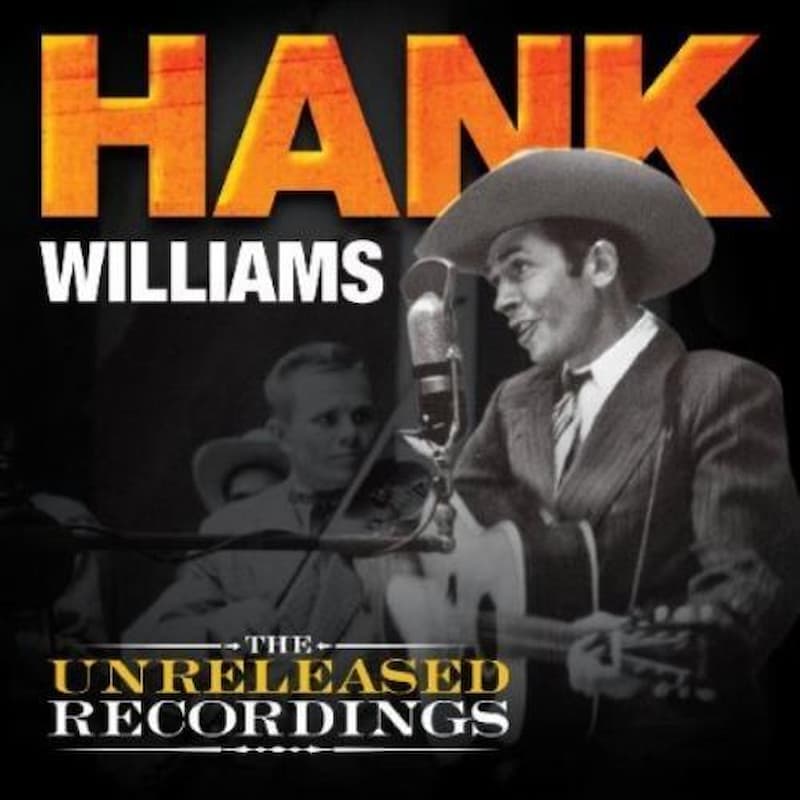
So where does Hank Williams fit? This is where careful attribution is important. Hank’s core catalog is country (mostly MGM-era singles) with some sacred repertoire, while “On Top of Old Smoky” is usually cataloged as a folk standard whose signature chart-life is better documented through 1950s folk-pop recordings than through Hank’s hit chronology. If you’ve seen the title attached to Hank Williams in online lists, the safest, factual way to write about that is to treat it as a repertoire association claim that requires discography confirmation (session logs, label issues, or an authoritative Hank sessionography), rather than assuming it was a confirmed Hank commercial release.
Billboard context follows the same logic: this title’s strongest chart identity is typically discussed via the mainstream folk-pop versions that helped it break nationally, not as a definitive Hank Williams chart record. If your blog post needs hard numbers (peak position, chart name, and date), the responsible method is to verify the specific artist/version entry in Billboard’s historical archive before printing a claim. With traditional songs, chart data is always version-specific, and reissues or similarly titled recordings can easily create attribution errors if you don’t lock to the exact release.
A deeper, factual angle for your article is to use “On Top of Old Smoky” as a case study in how American songs move across categories: local tradition → national folk-pop recording → classroom standard. That arc explains why people often “attach” the song to whichever performer they first heard, even when the song’s real history is bigger than any one artist’s catalog. Written that way, the post stays grounded: it highlights what is documentable (traditional origin and 1950s mainstream breakout) while being honest about what needs verification (any specific Hank Williams release link).
Video
Lyric
On top of old Smokie, all covered in snow,
I lost my true lover, by courtin’ too slow
On top of old Smokie, I went there to weep
For a false hearted lover, is worse than a thief
A thief he will rob you, and take what you save
But a false hearted lover, will put you in your grave
On top of old Smokie, all covered in snow
I lost my true lover, by courtin’ too slow
They’ll hug you and kiss you, then tell you more lies
Than the crossties on the railroad, or the stars in the skies
On top of old Smokie, all covered in snow
I lost my true lover, by courtin’ too slow