About The Song
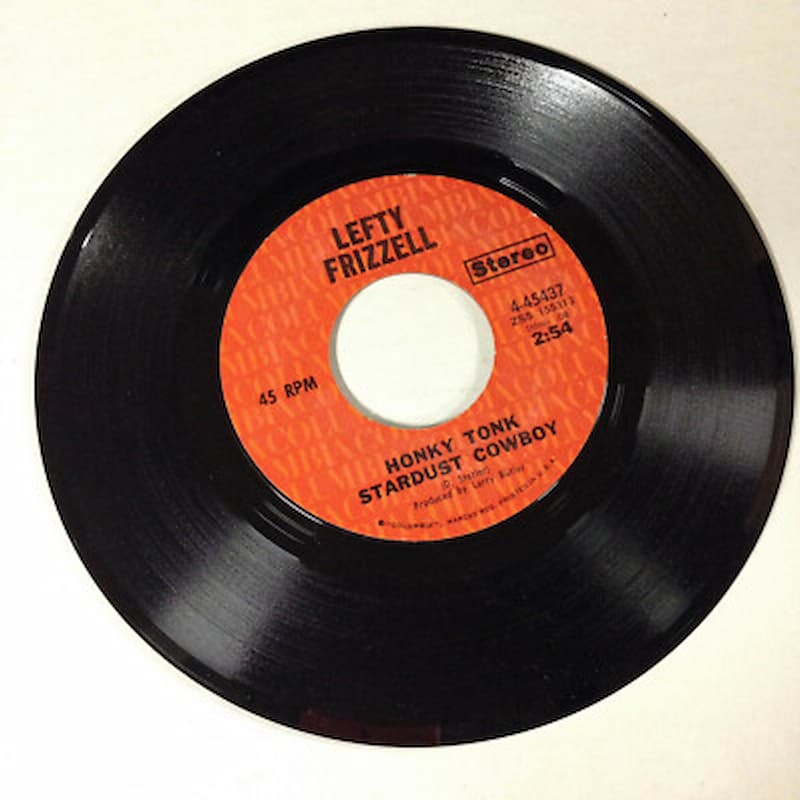
On July 19, 1971 Lefty Frizzell entered Columbia Recording Studio at 804 16th Avenue South in Nashville for an evening session that ran from 6:00 until 9:00 p.m. Produced by Larry Butler, he recorded “Honky Tonk Stardust Cowboy,” a two-minute-and-fifty-eight-second character sketch written by Darrell Statler. Columbia Records released the single later that month under catalog number 4-45437, with “What Am I Gonna Do” on the B-side. The track appeared during the final chapter of Frizzell’s long association with Columbia and was later included in the comprehensive box set *The Complete Columbia Recording Sessions, Vol. 9 – 1968-1972*.
Statler had written the song earlier in 1971, and Bill Rice recorded the first version, taking it to number fifty-one on the Billboard country chart. Lefty, then forty-three and no longer the chart-dominating star of the early 1950s, chose the material for its reflective quality. By the early 1970s the industry had shifted toward more polished productions, yet Butler kept the arrangement fiddle-heavy and straightforward, letting Frizzell’s voice sit front and center in a style that echoed his classic honky-tonk roots while acknowledging the changing times.
The song paints a vivid portrait of a small-time performer still chasing the dream. Dressed in cowboy boots, rhinestone suits, and carrying a flashy guitar, the central character makes the rounds from bar to bar, trying to become a hillbilly star. He lives the hard road life of one-night stands and half-empty honky-tonks, clinging to the glamour of the stage even as reality sets in. The lyrics capture the mix of determination and quiet desperation that many working musicians knew all too well.
In the bridge Frizzell drops references to bygone country classics, creating a nostalgic layer that feels almost autobiographical. Listeners have noted a subtle sadness in his delivery, a contrast to the wide-open Texas buoyancy of his 1950s hits. The smooth, slightly slurred phrasing and signature vocal slides remain, but the tone carries the weight of experience and hard-won perspective. The performance feels like a knowing wink from an artist who had lived the very life he was singing about.
Released at a time when commercial success had become scarce for Frizzell, the single received modest airplay but did not chart nationally. It arrived more than seven years after his final number-one hit “Saginaw, Michigan” and reflected the challenges many traditional country artists faced as the Nashville Sound evolved. Still, the track earned quiet admiration from fans and fellow musicians who appreciated its honest look at life on the lower rungs of the music business.
Over the decades “Honky Tonk Stardust Cowboy” has surfaced on reissues and playlists focused on Lefty’s later Columbia years. It stands apart from his early smashes as a more introspective piece that captures him in mature voice, still capable of turning everyday struggles into compelling country storytelling. The song’s meta quality—recorded by a man who had once been country music’s brightest new star—gives it extra resonance for those familiar with his full career arc.
More than fifty years after that July evening in Nashville, “Honky Tonk Stardust Cowboy” remains a poignant footnote in Lefty Frizzell’s catalog. What began as another late-period single became a lasting snapshot of the honky-tonk life he knew so well, delivered with the warmth and honesty that defined his art from the very beginning.
Video
Lyric
In his cowboy boots rhinestone suits and flashy guitars
He makes the rounds to the bars in town
Trying to be a hillbilly star
He’ll sing all night if you treat him right
Buy him a beer or two
So let the honky tonk stardust cowboy sing to youHe sings the country tunes of by gone days
Faded love san antone rose i love you a thousand ways
No matter what may be your request
He’ll sing it loud and do his best
Oh let the honky tonk stardust cowboy keep on sing-ingSometimes in his mind a dream unwinds for he’s called to fame
Of brighter lights shine in his eyes
While he’s singing on that opry stage
Oh but life goes on you’ll find him home
With a dream that turned out wrong
But the honky tonk stardust cowboy sings his song