About The Song
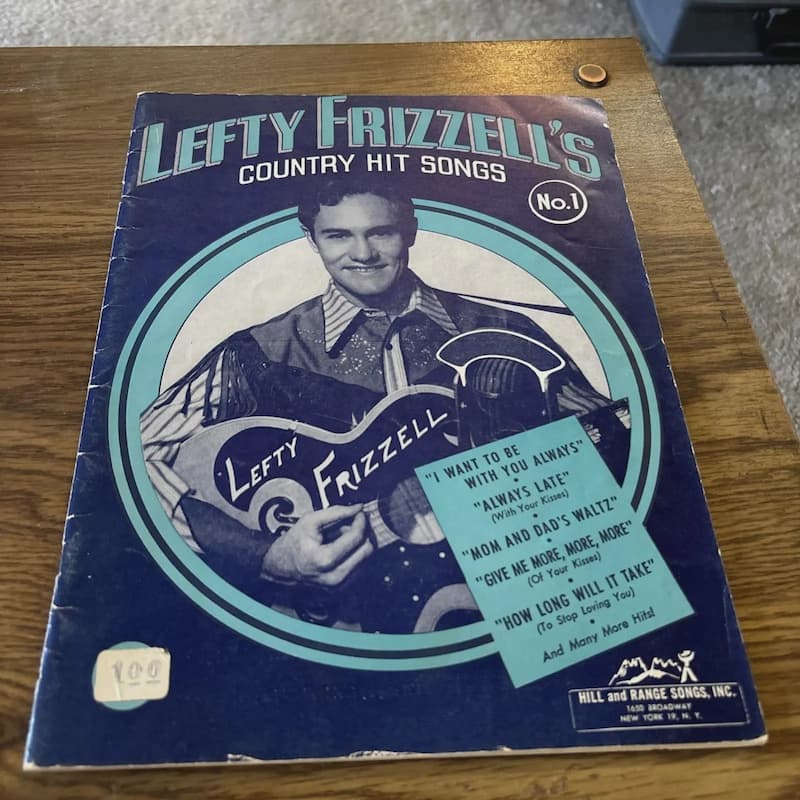
In July 1959 Lefty Frizzell entered Bradley Studio in Nashville for a session produced by Don Law. On July 22 he recorded “Ballad of the Blue and Grey,” a new composition by Harlan Howard. Columbia Records released the track on August 17 as the B-side of the single “Farther Than My Eyes Can See” under catalog number 4-41455. The two-minute-and-thirty-six-second recording arrived during a period when Frizzell was rebuilding momentum after several quieter years, following the success of “The Long Black Veil” earlier that spring.
Harlan Howard, already established as one of Nashville’s leading songwriters, crafted the piece as a straightforward Civil War narrative. It joined a small wave of country recordings in 1959 that revisited the conflict between North and South, including Johnny Horton’s “Johnny Reb.” Howard focused not on grand battles or heroic charges but on the personal cost of a divided nation, drawing from the well-known stories of families torn apart by the war between the states.
The song tells the story of two brothers, Jimmy and Billy, who choose opposite sides. Jimmy enlists in the Union army wearing Yankee blue while Billy joins the Confederates in grey. Their mother watches them kiss her goodbye and head in different directions. The verses follow them to Gettysburg, where one brother ends up firing on the other in the smoke of battle. When the fighting clears, Jimmy discovers he has killed Billy, who had held his fire upon recognizing his brother. The chorus repeats the central tragedy: “It was brother fightin’ brother / Father fightin’ son / A war that both sides had to lose / No matter which side won.”
Frizzell delivered the ballad with his trademark smooth, slightly slurred phrasing and gentle vocal slides. The arrangement remained sparse, letting his conversational delivery and the understated steel guitar carry the emotional weight. The performance avoided melodrama, allowing the simple facts of the story to speak for themselves and giving the record an almost folk-like sincerity that fit comfortably alongside his more commercial honky-tonk sides.
Although the single’s A-side received the primary push, “Ballad of the Blue and Grey” earned airplay on some country stations and found a place on playlists that favored story songs. It later appeared on various Columbia compilations and received wider circulation through Bear Family’s comprehensive box set *Life’s Like Poetry*, where it sits as track 135 of the 325-track collection. The song has remained a quiet favorite among fans who appreciate Lefty’s ability to handle serious historical material without losing his distinctive vocal warmth.
More than sixty-five years after its release, “Ballad of the Blue and Grey” stands as a clear example of Harlan Howard’s skill at turning American history into personal drama and of Lefty Frizzell’s talent for making any narrative feel intimate. What began as a B-side from a routine Nashville session became a lasting reminder of the human cost of the Civil War and a small but enduring part of Frizzell’s mid-career catalog.
Video
Lyric
Now Jimmy chose the Yankee blue
His heart was on their side
But brother Billy joined the Rebs
And how their mother cried
They both shook hands and kissed their mom
There wasn′t much to say
One headed north, the other south
The blue against the gray
It was brother fighting brother
Father fighting son
A war which both sides had to lose
No matter which side won
Bill was in the charge at Gettysburg
He’d never known defeat
While Jim was up there on the hill
Each prayed they′d never meet
With Jim a dozen yards ahead
The Yanks came down the hill
And when the smoke had cleared away
Jim found his brother Bill
Jim knelt beside young Billy
But he had no words to say
For Bill saw him and held his fire
While Jim had blazed away
It was brother fighting brother
Father fighting son
A war which both sides had to lose
No matter which side won